The short version
- The calls, in order. 911 first — § 550.026(a) requires immediate notice where anyone is injured or a vehicle cannot be driven safely.
- Then a doctor, the same day, even if you feel able to drive home.
- Then your own insurer — your policy contains a notice and cooperation clause, so this call you are obliged to make.
- ⚠ The other driver's insurer is the one call you are generally not obliged to take. You do not have to give them a recorded statement.
- Then a lawyer, before the footage goes. The consultation is free and calling commits you to nothing.
Who to call, in what order, and what to say
| Call | When | What to say |
|---|---|---|
| 911 | From the scene | Location, injuries, whether vehicles are blocking traffic. Ask for police even if injuries seem minor |
| A doctor or emergency department | Same day | Everything that hurts, and that it followed a collision — do not minimise |
| Your own insurer | Within a day or two | The facts. Your policy requires notice and cooperation |
| The other driver's insurer | You are generally not obliged to speak to them | Nothing recorded, until you have advice |
| A lawyer | Within days | What happened. Free, and no obligation |
The two calls people most often get wrong are the last two: giving a recorded statement to the other side too early, and waiting weeks before asking anyone whether there is a claim.
Deadlines that can end this claim
| Situation | Deadline | Source |
|---|---|---|
| Most injury lawsuits | Two years from the day the cause of action accrues. | Tex. Civ. Prac. & Rem. Code § 16.003(a) |
| An injury that causes death | Two years, running from the date of death. | Tex. Civ. Prac. & Rem. Code § 16.003(b) |
| A City of Houston, Harris County, METRO or state vehicle | Written notice to the governmental unit not later than six months after the incident, describing the injury, the time and place, and the incident — and a city charter can require it sooner. | Tex. Civ. Prac. & Rem. Code § 101.101 |
| Reporting the crash itself | Immediately, by the quickest means of communication, if anyone was injured or killed or a vehicle cannot be driven normally and safely. | Tex. Transp. Code § 550.026(a) |
| If you were partly at fault | No deadline, but a hard bar: a claimant may not recover if their percentage of responsibility is greater than 50 percent. | Tex. Civ. Prac. & Rem. Code § 33.001 |
Questions people ask after a Houston crash
Tap a question to open it.
Who do I call first, and what do I say?
Emergency services, from the scene. Section 550.026(a) requires the operator of a vehicle involved in a collision resulting in injury, death, or damage leaving a vehicle unable to be driven normally and safely to give notice immediately, by the quickest means of communication. Give the location as precisely as you can, say whether anyone is hurt and whether vehicles are blocking traffic, and ask for police attendance even where injuries appear minor. A crash without a police report is materially harder to establish months later, and that is the situation people most regret.
Should I call the police for a minor crash?
Yes, and the reasons are practical rather than legal. The report creates a contemporaneous record identifying both drivers, their insurers, the vehicles and any witnesses, and it records the officer's contributing-factor codes. Injuries that appear minor at the scene frequently are not — adrenaline masks them and soft-tissue and closed-head injuries commonly present a day or two later. Without a report you are left proving that a collision happened at all, which is a much worse position than arguing about who caused it.
Who should I call at the hospital or clinic, and what should I tell them?
Go to the nearest appropriate emergency department or urgent care the same day, and describe everything that hurts rather than the worst thing only. Say plainly that it followed a collision, because that connection needs to appear in the record from the outset. Do not minimise — people routinely understate symptoms to avoid seeming dramatic, and that understatement becomes the medical record. Southwest Houston has several emergency departments near the freeway system, including Memorial Hermann Southwest on Beechnut and the HCA facilities on Westheimer and South Rice.
Do I have to call my own insurance company?
Yes, in practical terms. Your policy contains a notice and cooperation clause, and a failure to comply can affect coverage independently of the merits of anything. Report the facts accurately. This is also the call where personal injury protection, medical payments and collision coverage are triggered, and those pay early — which matters because the at-fault insurer generally pays once, at settlement, rather than as your bills arrive.
Do I have to talk to the other driver's insurance company?
Generally not, and this is the single most useful thing on this page. You are under no obligation to give the other side a recorded statement, and it is requested early precisely because your treatment is incomplete and your account of the sequence is still forming. Ordinary polite answers — "I'm fine", "I didn't see them until the last second" — are quoted back later as admissions about injury or attention, and under § 33.001 any share of responsibility attributed to you reduces recovery and above 50 percent eliminates it.
How do I tell the two insurance calls apart?
Ask who is calling and which company they represent, before answering anything. Both calls are courteous, both sound routine, and one of them is adverse to you. Adjusters for the other side identify themselves accurately if asked, so the question resolves it immediately. If it turns out to be the other driver's insurer, it is entirely proper to say that you are not giving a recorded statement at present and to take a number. Nothing is lost by declining; a great deal can be lost by proceeding.
When should I call a lawyer, and does it commit me to anything?
Within days, and no. The consultation is free and carries no obligation, and a first conversation frequently ends with being told there is no claim worth pursuing — which is a useful outcome. The reason for speed is not the deadline, which is two years from accrual under § 16.003(a), but the evidence: business and residential camera footage near a scene routinely overwrites within a week or two, and a preservation request cannot be sent retroactively. If a governmental vehicle was involved, § 101.101 requires written notice within six months.
Who else should I call in the first week?
Your employer, if you will miss work, and keep a record of what you told them and when, because lost income has to be documented rather than estimated. Any medical provider you are referred to, promptly — gaps between appointments are used against a claim the same way an initial delay is. And, if your vehicle is being repaired or salvaged, whoever holds it, because once repaired the event data recorder and the crush evidence are gone. That last call is the one nobody thinks to make.
What if I already gave a statement before reading this?
It is very common and it is not fatal. What matters is establishing what was actually said so it can be addressed rather than discovered later by someone else. Note roughly when the conversation happened, who it was with, and whether it was recorded, and bring any correspondence to a first meeting. From that point the sensible course is to decline further recorded statements to the other side while continuing to cooperate with your own insurer as your policy requires.
How does this page differ from your "what to do" page?
This one is about the calls — which number, in what order, what to say, and which conversations you are obliged to have. The companion page is the full checklist of actions at the scene and in the first 48 hours, including photographs, witnesses and preserving footage. The claim itself is covered on the Houston car accident page, and the question of which policy ultimately pays is covered on the auto accident attorney page.
4.9 out of 5 from 360 Google reviews. Read them on Google.
★★★★★
Hi, I would recommend their services they were very helpful in handling and resolving my case. I received great medical care on their behalf and I was taken care of as a client by Mr. Gabriel he went above and beyond to ensure I didn't settle for less than I was owed.
★★★★★
Maida law firm was great. They have amazing communication. The staff was also very friendly and professional. The process was fast and they are very reliable. I will definitely be recommending them to all my friends and family. Thank you so much Maida Law Firm.
Reviews are the opinions of the clients who wrote them. Past results do not guarantee or predict a similar outcome in any future case.
Related Houston claims we handle
Where we are in Houston
Maida Law Firm
8313 Southwest Fwy Ste 102, Houston, TX 77074
We are on the Southwest Freeway, minutes from the 610 Loop and Sharpstown, and we see clients from across Harris County.
About the authors
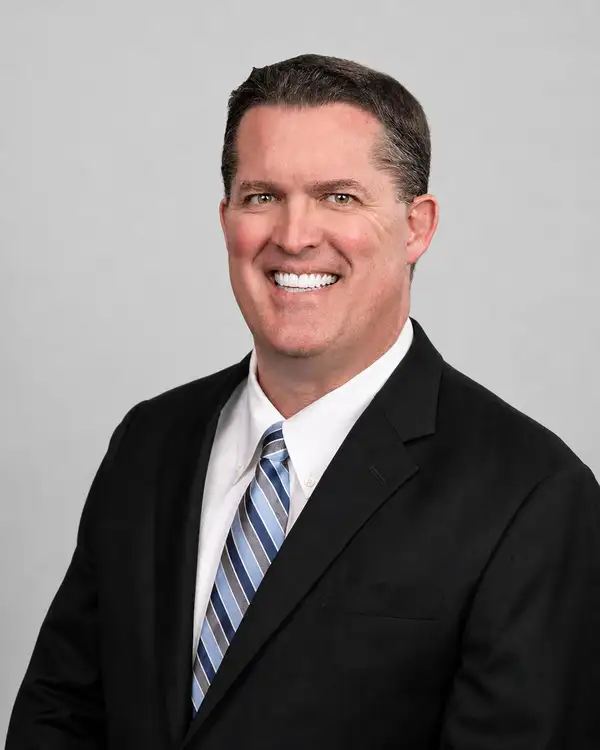
Sam A. Maida, Jr.
Owner and Managing Attorney
Sam A. Maida, Jr. has represented injured Texans in the greater Houston area since the firm opened in 1993.
State Bar of TexasAvvoMartindale-HubbellLawLinkThatCarHitMeLinkedIn

Bernard G. Johnson III
Litigation Managing Attorney
Bernard G. Johnson III is a board certified trial lawyer licensed in Texas since 1996 and a graduate of South Texas College of Law.