The short version
- Maida Law Firm · 8313 Southwest Fwy Ste 102, Houston, TX 77074 · Monday–Friday, 8:00–17:00 · Se habla español.
- The consultation is free and there is no obligation. Calling does not commit you to anything.
- Bring what you have — the crash report, photographs, insurance details, medical records, and the name of anyone who has contacted you.
- Do not give the other side's insurer a recorded statement before you have advice. You are generally not obliged to, and it is taken early precisely because your treatment is incomplete.
- Deadlines run from the incident, not from when you feel ready. Two years to file under § 16.003(a) — but only six months to notify a governmental unit under § 101.101.
How to reach us
| Detail | Information |
|---|---|
| Address | 8313 Southwest Fwy Ste 102, Houston, TX 77074 |
| Hours | Monday to Friday, 8:00 to 17:00 |
| Consultation | Free, with no obligation |
| Fee | Contingency — no recovery, no fee |
| Languages | English and Spanish |
| Areas served | Houston, Baytown, Galveston, Katy, Pasadena, Sugar Land and The Woodlands, from this one office |
What to bring, and what to avoid
| Do | Why it helps |
|---|---|
| Bring the crash or incident report | It identifies the parties, insurers, witnesses and the officer's contributing-factor codes. |
| Bring photographs of the vehicles and the scene | Damage geometry and final positions often settle disputes about how it happened. |
| Bring your own insurance declarations page | It shows whether you carry uninsured/underinsured motorist cover, which matters more than most people expect. |
| List every provider you have seen | Continuity of treatment is the single most contested element of most claims. |
| Note who has contacted you | Adjusters, investigators and anyone who asked for a statement. |
| Avoid giving the other insurer a recorded statement first | You are generally not obliged to, and it is quoted back later. |
If you were injured by a City of Houston, Harris County or METRO vehicle, mention it in the first sentence — that claim carries a six-month notice deadline under § 101.101.
What do people ask before they contact us?
Tap a question to open it.
Who will I speak to when I call?
Someone at the firm rather than an outsourced intake centre. The purpose of a first conversation is to understand what happened, what injuries there are, and whether there is a claim worth pursuing — including telling you when there is not, which is a normal and useful outcome. If the matter is outside what this firm does, we will say so rather than take it on. Nothing is signed on a first call and there is no cost to making one.
Who should call if the injured person cannot?
A spouse, parent, adult child or anyone acting with the injured person's knowledge can start the conversation, and that happens often where someone is hospitalised or sedated. What a family member cannot do is sign a representation agreement on an adult's behalf without proper authority. Where someone has died, the people who may bring a wrongful death claim are defined by statute — the surviving spouse, children and parents under § 71.004(a) — and the survival claim belongs to the estate under § 71.021, so the first practical question is often who has authority to act.
What should I bring to the first meeting?
Whatever you already have, and do not delay the conversation to assemble it. The most useful items are the crash or incident report, photographs of the vehicles and the scene, your own insurance declarations page, the names of every medical provider you have seen, and any letters or cards from adjusters or investigators. Your own declarations page matters more than people expect, because it shows whether you carry uninsured and underinsured motorist coverage, which is often the realistic source of recovery when the other driver carries only the Texas minimum.
What if I have already spoken to the insurance company?
It is not fatal and it is very common — people give statements in the first days because it feels cooperative and because nobody told them otherwise. What matters is knowing what was said so it can be dealt with rather than discovered later. Bring any correspondence, note when the conversation happened and roughly what was asked, and say if anything was recorded. From that point on, the useful rule is to decline further recorded statements to the other side while continuing to cooperate with your own insurer, whose policy contains a cooperation clause.
What does the first conversation cost?
Nothing, and there is no obligation attached to it. If the firm takes the case, the representation is on a contingency fee — a percentage of the recovery, with no fee if there is no recovery — and that percentage is set out in a written agreement you receive before you sign anything. Case expenses such as records, filing fees and expert reports are handled separately and are explained in the same agreement. Any firm should be willing to put those terms in writing at the outset.
Where is the office and is there parking?
The office is at 8313 Southwest Fwy Ste 102, Houston, TX 77074, on the Southwest Freeway a few minutes from the 610 Loop, Sharpstown and the Beltway. It is the firm's only office; Baytown, Galveston, Katy, Pasadena, Sugar Land and The Woodlands are served from here rather than through branch addresses. The map on this page shows the location and will give directions from wherever you are. Where someone is hospitalised or unable to travel, arrangements are made to meet elsewhere.
Where do I go for the crash report or medical care first?
Medical care first, always — the claim can wait a day and an untreated injury cannot. Southwest Houston has several emergency departments near the freeway system, including Memorial Hermann Southwest on Beechnut and the HCA facilities on Westheimer and South Rice. The crash report follows: it is filed with TxDOT and available through its crash records system, and a Houston Police Department investigation can also be requested through HPD Records once processed. An unincorporated-area crash sits with the Harris County Sheriff's Office.
When should I call after an accident?
Sooner than feels necessary, because evidence expires long before deadlines do. Camera footage from businesses near a scene is routinely overwritten within days, vehicles are repaired or scrapped, and witnesses become harder to locate. Texas allows two years from accrual under § 16.003(a), but that is the outer boundary rather than the first deadline that applies — a claim involving a City of Houston, Harris County or METRO vehicle requires notice within six months under § 101.101, and insurance policies impose their own notice conditions that are shorter still.
When will I hear back?
The same business day wherever possible, and if you call outside office hours you can leave a message or use the form on this page. What happens next is straightforward: a conversation about the incident and the injuries, an honest assessment of whether there is a claim, and — if the firm takes it — a written fee agreement before anything else. If there is a governmental deadline or a preservation issue that needs immediate action, that is dealt with in the first conversation rather than after paperwork.
Why should I not talk to the other driver's insurer?
Because a statement taken in the first days, before your treatment is complete and before you know the full extent of the injury, is the most useful version they will ever obtain. Ordinary polite answers — "I'm fine", "I didn't see them until the last second" — are quoted back later as admissions about injury or about your own attention, which matters because Texas reduces recovery by your share of responsibility and bars it entirely above 50 percent under § 33.001. You are generally under no obligation to give the other side a statement at all.
Why does the firm ask about my own insurance?
Because your own policy is frequently the difference between a recovery and a shortfall. Texas requires only $30,000 per person and $60,000 per crash from an at-fault driver under § 601.072, which a serious injury exceeds routinely. Uninsured and underinsured motorist coverage on your own policy fills that gap, and Texas requires insurers to provide it unless a named insured rejected it in writing under § 1952.101(b)-(c). If your declarations page does not show it, that written rejection is a document your insurer must be able to produce.
How do I know whether I even have a case?
By having the conversation, which costs nothing. The questions are whether someone else's conduct caused the incident, whether you were injured, whether the injury can be connected to the incident by medical evidence, and whether there is insurance or a defendant able to pay. Any of those can be the answer that ends it, and being told so plainly is more useful than being taken on and quietly under-worked. It is also the reason a firm that quotes a case value before reading a medical record is not assessing anything.
4.9 out of 5 from 368 Google reviews. Read them on Google.
★★★★★
Hi, I would recommend their services they were very helpful in handling and resolving my case. I received great medical care on their behalf and I was taken care of as a client by Mr. Gabriel he went above and beyond to ensure I didn't settle for less than I was owed.
★★★★★
Maida law firm was great. They have amazing communication. The staff was also very friendly and professional. The process was fast and they are very reliable. I will definitely be recommending them to all my friends and family. Thank you so much Maida Law Firm.
Reviews are the opinions of the clients who wrote them. Past results do not guarantee or predict a similar outcome in any future case.
Related Houston claims we handle
Video: Maida Law Firm: Personal Injury Lawyers in Houston, TX
An introduction to Maida Law Firm, the Houston personal injury firm Sam A. Maida, Jr. founded in 1993. Watch on YouTube
Where we are in Houston
Maida Law Firm
8313 Southwest Fwy Ste 102, Houston, TX 77074
We are on the Southwest Freeway, minutes from the 610 Loop and Sharpstown, and we see clients from across Harris County.
Read our 368 Google reviews (4.9 out of 5) · View our Google Business Profile
About the authors
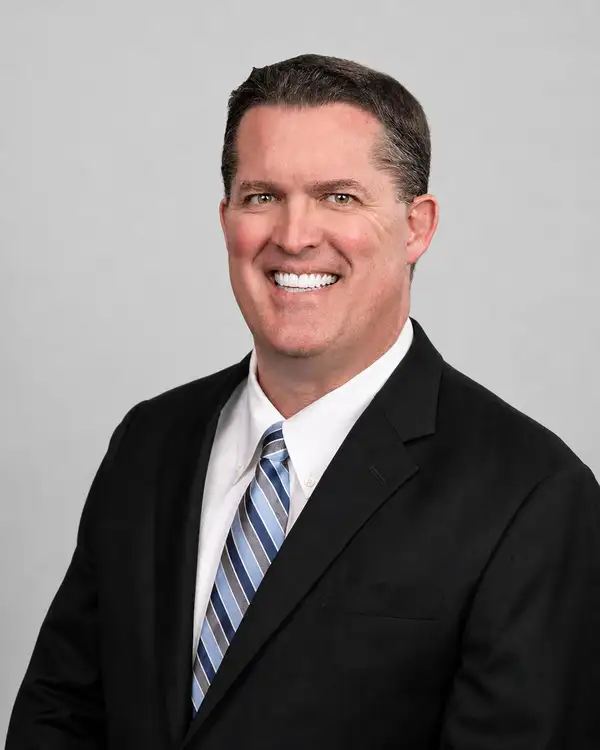
Sam A. Maida, Jr.
Owner and Managing Attorney
Sam A. Maida, Jr. has represented injured Texans in the greater Houston area since the firm opened in 1993.
State Bar of TexasAvvoMartindale-HubbellLawLinkThatCarHitMeLinkedIn
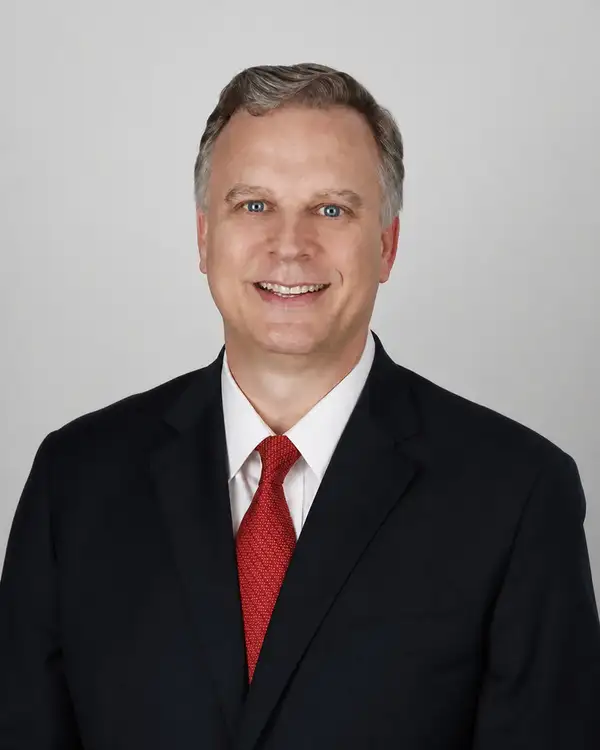
Bernard G. Johnson III
Litigation Managing Attorney
Bernard G. Johnson III is a board certified trial lawyer licensed in Texas since 1996 and a graduate of South Texas College of Law.